_(7184104335).avif)
Why Failure-to-Market Claims Are Preempted Under Federal Law
.avif)

This short white paper addresses preemption arguments relevant to “failure to market” claims, which cover those cases in which plaintiffs allege that drug companies may be held liable for failing to bring to market, as quickly as possible, drugs that present (allegedly) fewer side effects than other, FDA-approved drugs already on the market.
A California appellate court invented out of whole cloth a new and troubling theory of tort liability. Specifically, the court held that drug companies have a duty to develop and bring to market drugs that are supposedly safer and more effective than another, FDA-approved drug the company sells already. The claim rested on factual premises contradicted by all publicly available information, the acceptance of which could seriously disrupt the FDA approval process. This disruption gives rise to an issue the parties did not raise on appeal and that the appeals court never addressed, notwithstanding the complex, comprehensive statutes governing drug approval: these state tort law claims are preempted under theories of both field and conflict (including obstacle) preemption. This White Paper explains why it is imperative for the federal government and private parties to advance these preemption arguments, and why the courts should accept them.
Read the Issue Brief
This white paper was originally published by the Pacific Research Institute's Center for Medical Economics and Innovation.

Economic Dynamism

The Wine and Commerce Symposium
The Western tradition’s great thinkers have long recognized wine as a symbol for the beguilement of reason. But if wine warps reason, they recognized how it can also enable reliable reason in our analysis of regimes.


.jpg)


.jpg)




.jpg)


Social Mobility Wins
When people live within an environment offering good jobs, good education, social networks, and a culture of self-improvement and hard work, they experience progress in a way that undercuts the philosophical rationale that socialists need to justify the policies they advocate.
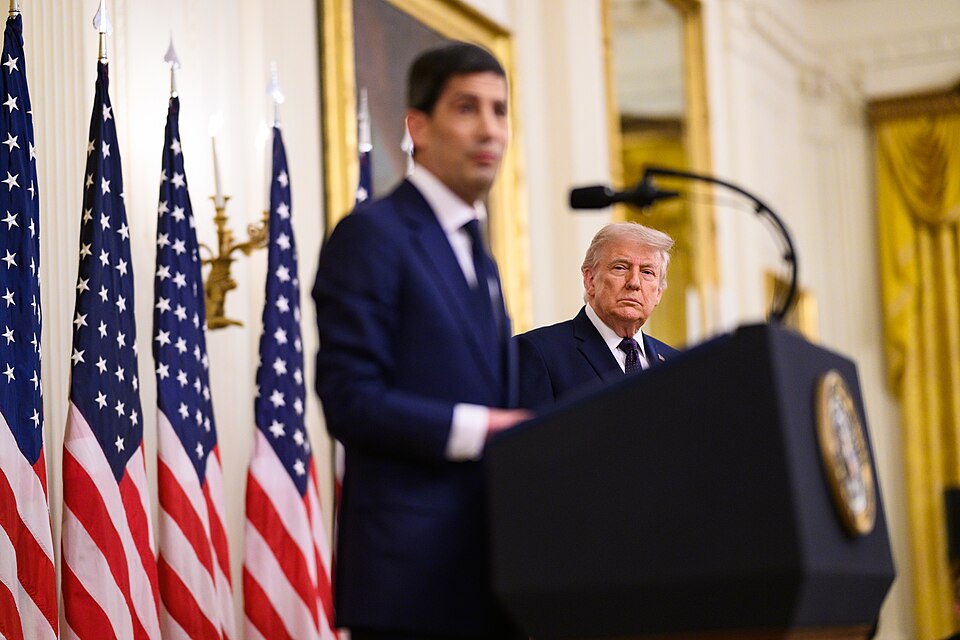
Kevin Warsh and the Future of Fed Communication
Warsh is right that the Federal Reserve should not speak so loudly that it hears only its own echo.