
The Promises and Pitfalls of Measuring Community College Quality


In this paper we explore the community college (institutional) effect on student outcomes in the nation’s largest public two-year higher education system—the California Community College system.
In this paper we explore the community college (institutional) effect on student outcomes in the nation’s largest public two-year higher education system—the California Community College system. We investigate whether there are significant differences in student outcomes across community college campuses after adjusting for observed student differences and potential unobserved determinates that drive selection. To do so, we leverage a unique administrative dataset that links community college students to their K–12 records in order to control for key student inputs. We find meaningful differences in student outcomes across California’s Community Colleges, after adjusting for differences in student inputs. We also compare college rankings based on unadjusted mean differences with college rankings adjusted for student inputs. Our results suggest that policymakers wishing to rank schools based on quality should adjust such rankings for differences in student-level inputs across campuses.
Read the Full Paper
This paper was originally published by The Russell Sage Foundation Journal of the Social Sciences

Economic Dynamism

The Wine and Commerce Symposium
The Western tradition’s great thinkers have long recognized wine as a symbol for the beguilement of reason. But if wine warps reason, they recognized how it can also enable reliable reason in our analysis of regimes.


.jpg)

.jpg)



.jpg)


Social Mobility Wins
When people live within an environment offering good jobs, good education, social networks, and a culture of self-improvement and hard work, they experience progress in a way that undercuts the philosophical rationale that socialists need to justify the policies they advocate.
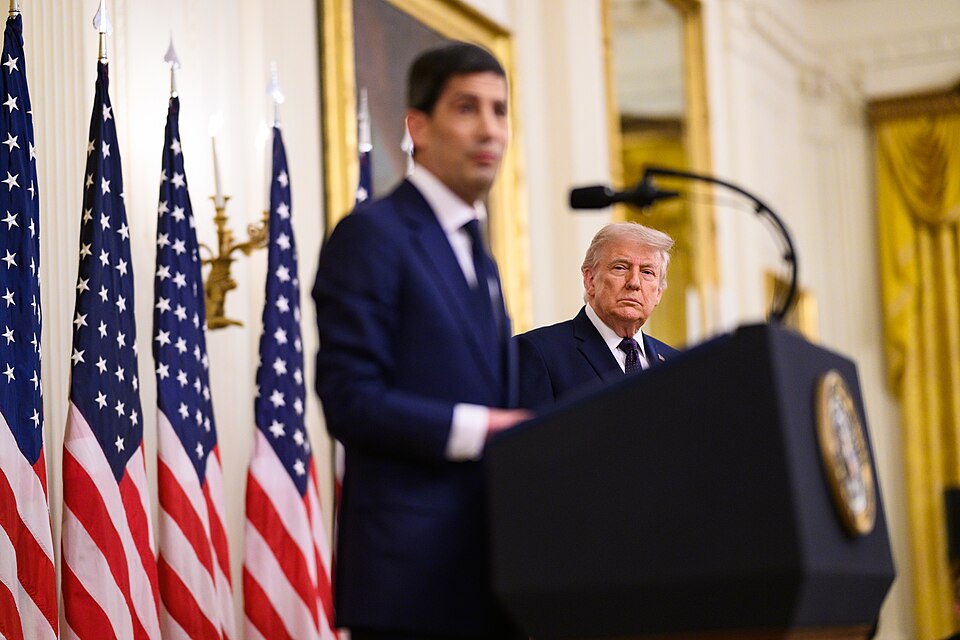
Kevin Warsh and the Future of Fed Communication
Warsh is right that the Federal Reserve should not speak so loudly that it hears only its own echo.